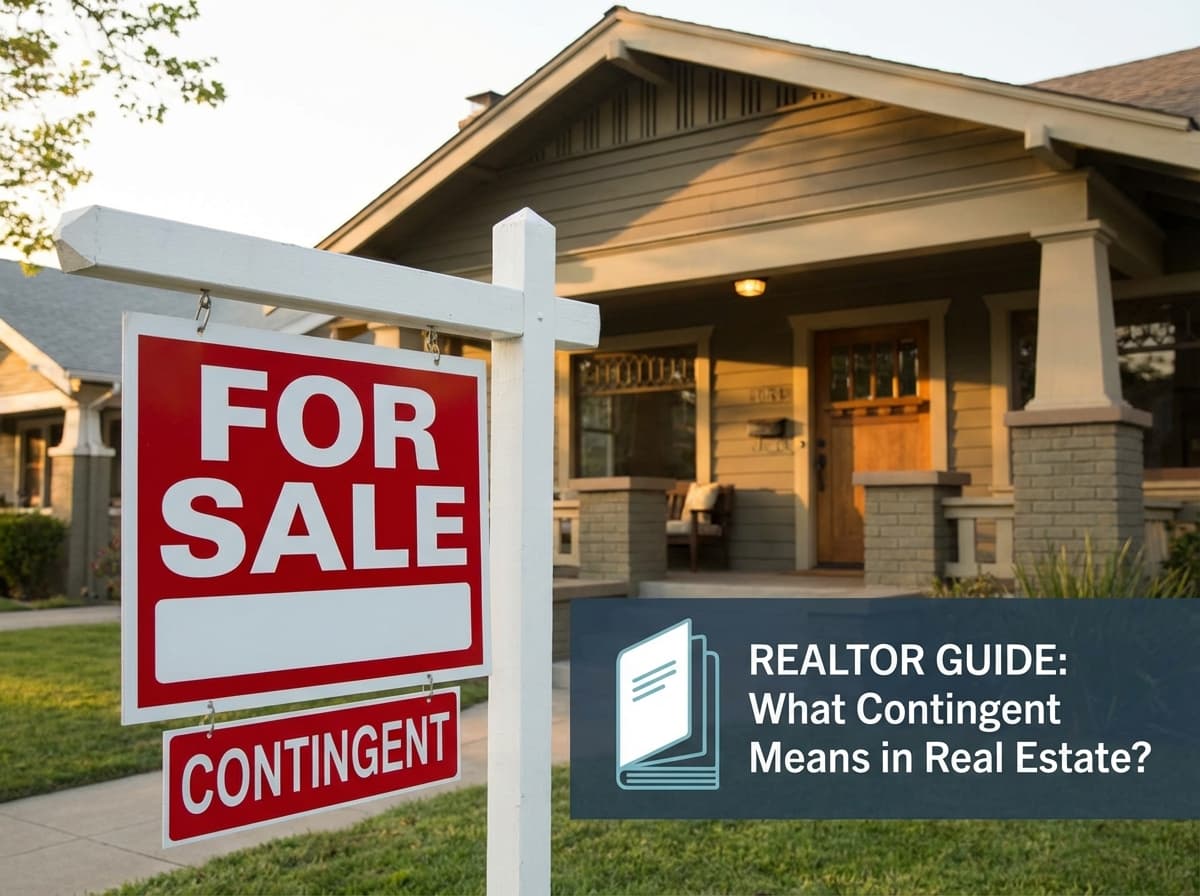
What Does Contingent Mean in Real Estate? (Realtor Guide)
You accepted an offer. The price looked right, the buyer seemed motivated, and you started counting down to closing. Then the waiting began. The inspection report is pending. The appraisal is scheduled for next week. The buyer's lender needs more documentation. Your listing is now contingent, and you're stuck in limbo.
If you've spent any time as a listing agent, you know this feeling. Understanding what does contingent mean in real estate is only part of it. The bigger part is knowing how to structure your marketing and pricing so contingencies have less power over your deals. This article covers both: the definition and types of contingencies, why they derail deals, and the upstream strategies that cut your exposure to them.
What Does Contingent Mean in Real Estate?
A contingent listing is a property where a seller has accepted an offer, but closing hasn't happened. Specific conditions called contingencies must be met before the deal closes. If any contingency fails, the buyer can usually walk away without losing their earnest money.
Think of contingencies as exit ramps in a purchase agreement. They protect buyers, but they also create uncertainty for you and your seller.
The Four Main Types of Contingencies
Inspection contingency. Most common. NAR data shows roughly 80% of buyers include inspection contingencies. The buyer hires an inspector, reviews the report, then requests repairs, renegotiates price, or walks. Most inspection periods are 7-14 days—that's when the real negotiations happen.
Financing contingency. The buyer's offer depends on getting a mortgage. If the lender denies the loan, changes terms, or the buyer's finances shift between offer and closing, the deal's dead. This usually runs 30-45 days, and you won't know there's a problem until it's late in the game.
Appraisal contingency. The home must appraise at or above the purchase price for the lender to fund. A buyer offers $425,000 but the appraiser values it at $405,000? The buyer can renegotiate, cover the $20,000 gap with cash, or bail.
Home sale contingency. The buyer needs to sell their current home before closing on yours. You're now tied to a completely separate transaction you can't control. Their sale falls through? Yours does too.
Contingent vs. Pending: What's the Difference?
A contingent listing has unresolved conditions. A pending listing has cleared those hurdles and is moving toward closing with no outs for the buyer. Pending signals a much higher likelihood of closing. Contingent means the deal's real but fragile.
What Does "Active Contingent" Mean?
MLS status codes vary by market. An active contingent listing means the seller accepted an offer with contingencies but is still taking backup offers. Know these subcategories:
- Contingent-Continue to Show (CCS). The seller shows the property and can accept a better offer. The original buyer usually has a set number of days to remove contingencies or lose priority.
- Contingent-No Show. The seller stops showings. They're committed to the current buyer, contingencies and all. Risky if the deal dies late.
- Kick-out clause. Lets the seller "kick out" the current buyer if a non-contingent offer lands. The original buyer gets 24-72 hours to remove contingencies or step aside.
These matter because they control how much flexibility you have as the listing agent.
What Does Active Under Contract Mean?
Some MLS systems use "active under contract" instead of "contingent." It's similar: a seller accepted an offer that hasn't closed. The difference is how it looks to other agents. "Active under contract" usually signals the seller's still taking backup offers, like a CCS. In other MLSs, "under contract" just means escrow, regardless of contingencies. Check your local MLS—agents in your market may read these statuses differently.
Real talk: if you see active under contract, it's not done. A stronger offer can still displace the current one, especially if the original buyer's contingencies aren't met.
How Often Do Contingent Offers Fall Through?
More than most agents realize. According to NAR, roughly 4% of pending sales fail from unresolved contingencies. Industry estimates go 5-10% when you include deals that die before pending status.
It sounds small until you do the math. An agent closing 20 deals a year expects one or two to crater. Each failed deal eats weeks of work, tanks seller confidence, and resets your days-on-market clock.
The most common reasons contingent deals fall through:
- Inspection findings the buyer and seller cannot agree on
- Financing denial due to credit changes, employment loss, or underwriting issues
- Low appraisals where neither party will bridge the gap
- Buyer's home not selling in a home sale contingency chain
- Cold feet during the contingency window, where the buyer uses a contingency as a legal exit
The frequency varies by market conditions. In hot markets with multiple offers, fallthrough rates drop because buyers compete harder to close. In slower markets where buyers have leverage, contingency-related cancellations spike.
Why Contingent Listings Are a Problem for Real Estate Agents
Contingencies do not just add paperwork. They create real business problems for the listing agent.
Days on market tick on. A contingent listing looks "spoken for" to other agents and buyers. They move on. Then the deal dies three weeks later and you're re-listing with a stale timestamp. Buyers wonder what's wrong.
Seller trust drains. Every week in contingency limbo, your seller questions your pricing, your marketing, your judgment. They don't care that the buyer's financing fell through—they think you didn't vet the buyer. The frustration lands on you.
Meanwhile, you're managing inspection requests and chasing lender updates while your pipeline sits empty. No new listings. No prospecting. No momentum. The opportunity cost is brutal, and every agent who's lived it knows the feeling.
The Real Reason Contingencies Happen: Weak Demand
Here's the part most agents won't say out loud: contingencies gain power when there's only one offer.
One offer = buyer has all the leverage. They demand an inspection contingency, financing contingency, home sale contingency—the seller has nothing else. Competition changes everything. NAR's September 2025 Realtors Confidence Index found 21% of buyers waived inspection contingencies, up from 17% the year before.
Don't pressure buyers into dropping protections they need—that's not the message. The message is: when multiple buyers compete, offers naturally land stronger, with fewer conditions, tighter timelines, higher prices. Competition does the heavy lifting.
Your job isn't just to manage contingencies when they show up. It's to generate enough demand upfront that you get clean offers to begin with. The rest of this article is how.
How Agents Can Reduce Contingency Risk
Contingency management starts before the first offer lands. Here's what works.
Order a Pre-Listing Inspection
Pre-listing inspections cost $300-$500 for most homes ($500-$800 for larger ones). They work. You fix issues before they're negotiation leverage. You disclose the report and buyers feel safer dropping their inspection contingency or shortening the window.
This isn't about hiding problems. It's about removing surprises. Buyers waive contingencies when they trust the information.
Price to Generate Multiple Offers
Overpriced listings sit. One buyer shows interest and wants every contingency possible. Price at market or slightly below—you get multiple offers. That's when buyers compete on terms. Contingency waivers, bigger deposits, faster closings. That's how it works.
Set an Offer Deadline to Create Urgency
A clear offer deadline signals competition to the market. Buyers lead with their strongest offer instead of low-balling and negotiating up. You also review all offers at once—price, contingency terms, financing strength, closing timeline. Side by side comparison changes the dynamic.
Qualify Buyers Carefully Before Accepting
Not all offers are equal at the same price. Check:
- Pre-approved or just pre-qualified?
- How much earnest money?
- Loan-to-value ratio?
- Already sold their home or waiting on another deal?
A lower cash offer with no contingencies beats a higher offer loaded with conditions. It closes faster and more reliably.
Use Escalation Clauses and Offer-Review Windows Strategically
Escalation clauses let buyers automatically bump their offer if competing bids show up. Drives final prices higher, keeps things moving.
Add a 48-72 hour offer window at launch and competition does the work for you. Offers get stronger, contingencies drop, no pressure needed.
The Listing Photo Is the First Showing: Make It Count
Everything above hinges on one thing: getting enough buyers in the door to create competition. It starts online.
NAR reports 97% of buyers start their search online. 83% want photos before visiting. Your listing photos aren't supplementary. They're the first showing.
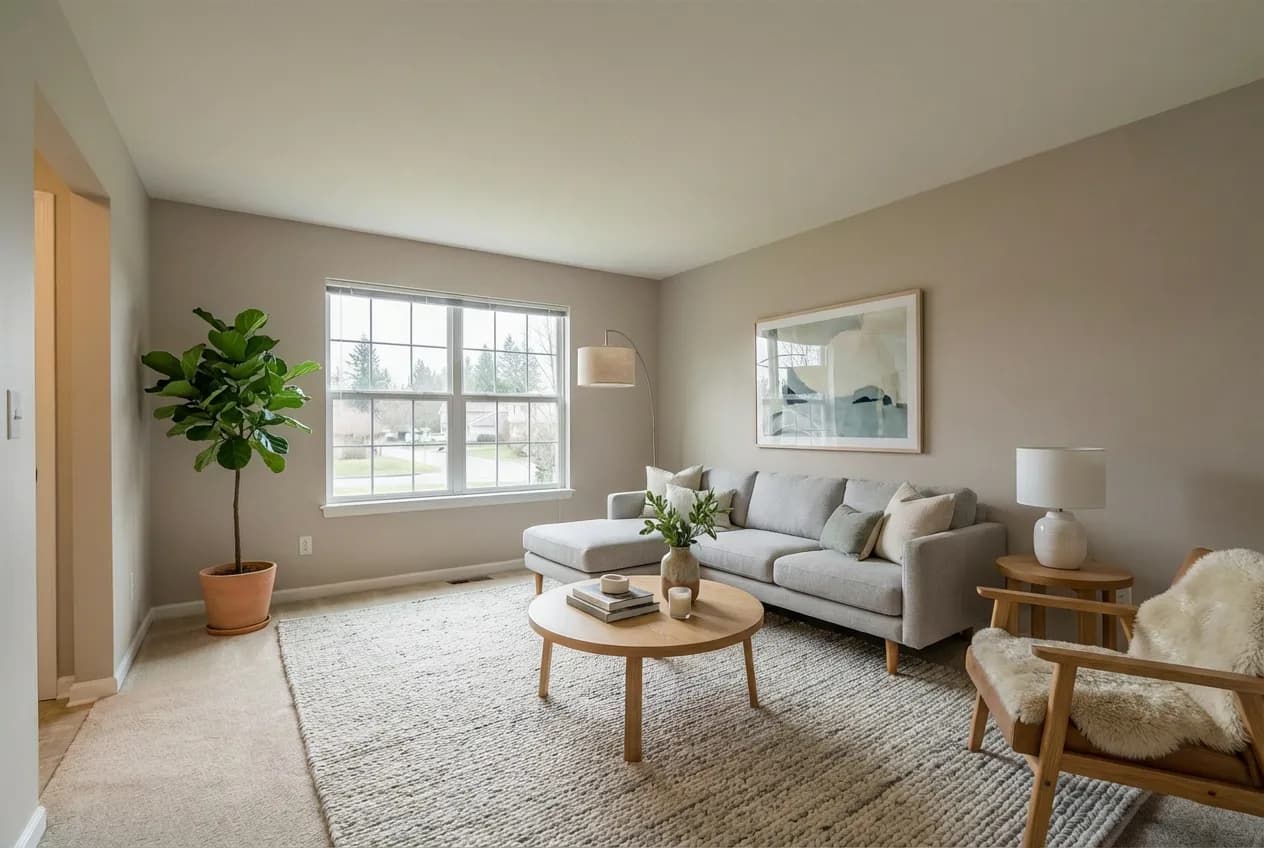
Empty rooms don't photograph well. A vacant living room looks cramped. Unfurnished bedrooms lose scale and warmth. Buyers make snap judgments while scrolling. An empty property loses.
Good photos drive more clicks, more saves, more showings. That foot traffic creates the multi-offer situations that deliver clean contracts and fewer contingencies.
What Staged Listings Do Differently (And What the Data Shows)
Staging isn't decoration. It's demand generation, and the numbers prove it.
NAR 2025 Profile of Home Staging shows:
| Metric | Finding | Source |
|---|---|---|
| Time on market | 49% of sellers' agents said staging reduced days on market | NAR 2025 |
| Dollar value increase | 29% of sellers' agents reported a 1-10% increase in sale price | NAR 2025 |
| Buyer visualization | 83% of buyers' agents said staging helped buyers picture the home as their own | NAR 2025 |
| Over-list performance | Staged homes sold an average of $40,000 over list price (4,600 properties) | RESA 2021 |
The connection to contingencies is direct. Faster sales and higher offers mean fewer single-buyer situations. Multiple buyers competing on a staged home write cleaner offers by necessity. Staging pays for itself before the first contingency shows up.
New to staging? This complete guide to virtual staging covers photo prep to style selection.
Try Desiome for free; save your time and money
Desiome is a modern, budget-friendly alternative to traditional staging. No consultation costs with multiple furniture styles to choose from. All under 2 minutes.
Why Virtual Staging Is the Smarter Move for Most Agents
Traditional staging costs $2,000-$5,000+ per listing. Furniture rental, movers, maintenance. For vacant homes, investment properties, or estates that need fast market entry, that's not practical.
Virtual staging delivers the same visual impact for pennies. 24-48 hour turnaround. Stage every room without logistics. Photos look as good as traditionally staged rooms and you've got them before the weekend.
Need a cost breakdown? Check the staging cost breakdown. Want to compare platforms? Here's the best virtual staging tools with pricing and timelines.
Frequently Asked Questions
Can you still make an offer on a contingent listing?
Yes. Contingent listings typically accept backup offers. If the original buyer's contingencies fail or they walk, the backup moves to first position. Especially true for Contingent-Continue to Show listings.
How long does a contingent status usually last?
Depends on the contingency type. Inspections resolve in 7-14 days. Financing takes 30-45 days. Home sale contingencies? No timeline. Can drag months if the buyer's property moves slow.
What happens if a contingency is not met?
The buyer exits without losing earnest money. The listing goes back to active status. You restart the process with more days on market counting against you.
Is it risky for a buyer to waive contingencies?
Yes. Waiving inspection means accepting whatever's hiding. Waiving financing contingency risks earnest money if the loan dies. Buyers in hot markets waive contingencies to compete, but they should understand the exposure.
What is the difference between contingent and under contract?
The terms overlap and vary by MLS. "Contingent" means conditions aren't resolved. "Under contract" can mean the same, or it means past contingencies but not closed. Some markets use "active under contract" and "active contingent" interchangeably. Check your local MLS.
Start Generating Stronger Offers Today
The move from understanding what contingent means to reducing contingency risk is simple: generate more demand. Better photos bring more buyers. More buyers create competition. Competition produces cleaner offers.
Virtual staging is the fastest practical tool—especially for vacant or weak properties. It costs less than a day of traditional staging and gives your listing the visual punch it needs to win online attention.
Want to try it? Desiome does AI-powered virtual staging with same-day turnaround.
Read more
You might be interested in the following articles:
Home Staging Cost: What Sellers Actually Pay and Whether It's Worth It
Home staging cost ranges from $800 to $5,000+ for physical staging, or under $50 for virtual. See the full cost breakdown by home size and decide what fits.
Ultimate Guide to Virtual Staging for Real Estate: Expert Tips for Realtors
Discover how virtual staging and AI tools are transforming real estate marketing. Learn expert tips to showcase properties faster, cheaper, and more effectively.
What is virtual staging? A guide for real estate
What is virtual staging in real estate? Learn how AI virtual staging works, when to use it, and how to create listing photos that feel lived in.